Legitimate Waste Carrier: Licensing Steps for Notting Hill
Posted on 05/07/2026
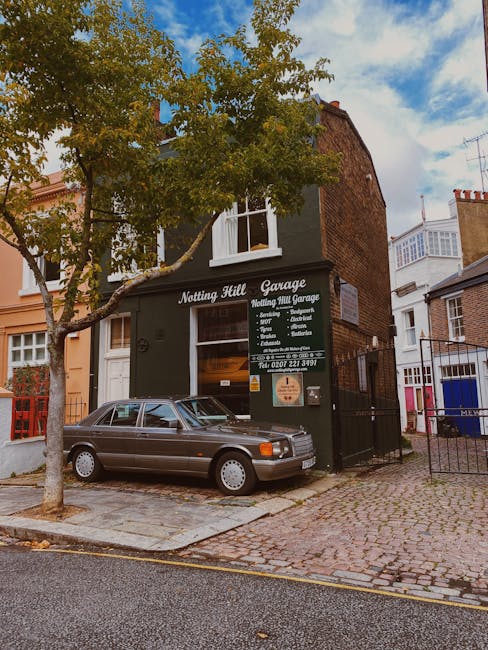
If you need to move rubbish, clear a property, or arrange regular collections in W11, choosing a legitimate waste carrier is not just a box-ticking exercise. It protects you from fly-tipping fallout, keeps your job compliant, and gives you a proper paper trail if anything is questioned later. In Notting Hill, where access can be tight, streets are busy, and one careless disposal can turn into a neighbourhood headache very quickly, the licensing side matters more than most people realise.
This guide walks you through the licensing steps for Notting Hill in plain English: what the licence means, how to check it, what documents to expect, and how to make sure the person collecting your waste is actually authorised to do the job. No fluff. Just the practical stuff you can use today.
Why Legitimate Waste Carrier: Licensing Steps for Notting Hill Matters
Let's face it: most people only think about waste licensing when something goes wrong. A cheap clearance quote looks tempting, the van arrives, and everything seems fine. Then the waste ends up dumped in a back lane, and suddenly you are the person being asked awkward questions. That is exactly why legitimacy matters.
In London, and especially in a mixed residential and commercial area like Notting Hill, waste moves through flats, mews houses, shops, offices, refurb projects, and quick-turnaround rental properties. That creates risk. If a collector is not properly registered or does not handle waste correctly, the consequences can come back on the waste producer too. In practical terms, that could mean stress, cleaning bills, delays, or evidence requests you really did not want.
For landlords, business owners, managing agents, builders, and busy households, compliance is also part of reputation. If you work with a proper carrier, you are more likely to get transparent paperwork, lawful transport, and responsible disposal. And if you are comparing providers, a clear licence trail is one of the strongest trust signals you can ask for.
For a broader overview of how a professional waste business should operate, it can help to read the site's services overview alongside the page on waste carrier licence and compliance. Those pages are useful because they show how licensing sits inside the bigger service picture, not as a side note.
How Legitimate Waste Carrier: Licensing Steps for Notting Hill Works
In simple terms, a legitimate waste carrier is a person or business authorised to transport waste. The licensing process is about proving identity, business details, and the type of waste activity being carried out. It is not glamorous. It is admin-heavy. But that admin is what separates a compliant operation from a risky one.
For most readers, the process breaks down into three practical layers:
- Registration - the carrier needs to be properly registered for the relevant waste activity.
- Documentation - records should exist for waste type, transfer, destination, and collection details.
- Ongoing compliance - the carrier must continue handling and moving waste in line with expected standards, not just pass an initial check.
In day-to-day terms, the signs of a genuine carrier are usually boring in the best possible way: a business name that matches the paperwork, a licence or registration reference that can be checked, a clear invoice, and a transfer note or equivalent record when required. If those things are missing, pause. Maybe even stop. A polished van is not evidence. A clipboard is not evidence either, no matter how confident the driver looks at 8:15 on a wet Notting Hill morning.
Depending on the job, there may also be extra considerations. Builders' jobs often involve mixed waste. House clearances can include furniture, textiles, electrical items, and general rubbish. Office clearances may involve confidential or bulky items. Each type needs sensible handling and proper routing, which is one reason compliant carriers usually ask more questions than you expect.
Key Benefits and Practical Advantages
Using a legitimate waste carrier is about more than avoiding problems. It actively makes the job easier. When the paperwork is right, the collection is usually smoother, the disposal route is clearer, and there is less back-and-forth if a landlord, agent, or local authority ever asks for proof.
Here are the main benefits people usually notice first:
- Less risk of fly-tipping exposure - you are much less likely to be tied to an illegal dump site.
- Better accountability - if questions arise, there is a proper record of who collected what.
- Cleaner project management - useful for refurbishments, tenancies, and commercial work where timings matter.
- Stronger trust - helpful when you are dealing with tenants, residents, or customers.
- More responsible disposal - legitimate carriers are usually set up to separate recyclables and route waste appropriately.
One practical example: a small office clear-out in Notting Hill may involve old chairs, packaging, archive boxes, and broken appliances. A licensed carrier can usually explain what happens to each stream. That matters because the job feels less like "take it away and hope for the best" and more like a proper service. In our experience, that difference is what clients remember two weeks later when the dust has settled.
If you are comparing ways to get rid of unwanted items, the article on cheap vs safe rubbish disposal in Notting Hill is a useful reminder that the lowest quote is not always the wisest choice. And for people dealing with bulkier items, bulky waste pickup in Ladbroke Grove W11 can help frame what a quick but compliant collection should look like.
Who This Is For and When It Makes Sense
This topic matters to more people than you might think. If you produce waste in any meaningful way, you should care about who collects it and whether they are properly licensed.
It is especially relevant for:
- Homeowners and tenants clearing furniture, white goods, loft clutter, or garden waste.
- Landlords and letting agents dealing with end-of-tenancy rubbish and abandoned belongings.
- Builders and tradespeople moving construction debris or renovation waste.
- Offices and small businesses clearing desks, packaging, fixtures, and old equipment.
- Shop owners and hospitality venues managing regular waste streams and clearance jobs.
It also makes sense whenever the job has a "someone else is taking it away" element. That is the key moment. The responsibility does not disappear just because waste leaves your premises. A compliant carrier helps close the loop.
For local relevance, think about the variety of properties in Notting Hill: basement flats, terraced houses, mixed-use buildings, and busy streets near Portobello Road. Access can be awkward, loading windows can be short, and neighbours are often very aware of what is happening outside. A legitimate carrier understands that and plans around it, rather than making it up as they go along.
Step-by-Step Guidance
If you want to check or arrange a legitimate waste carrier in Notting Hill, use this process. It keeps things practical and reduces the chance of overlooking something obvious.
- Identify what waste you have. Is it general household waste, builder's rubble, furniture, appliances, green waste, or mixed material? The answer affects how it should be handled.
- Ask whether the carrier is registered for waste transport. A genuine provider should be able to confirm this clearly and without hesitation.
- Request the basic paperwork. That may include business details, licence or registration information, and collection documentation.
- Check what happens to the waste after collection. A trustworthy company should explain its disposal or recycling route in plain language.
- Confirm any special handling needs. Electrical items, mattresses, mixed building waste, and bulky furniture often need extra planning.
- Agree the service scope in writing. Make sure the quote matches what is being collected, from which address, and on what date.
- Keep your own records. Save invoices, messages, and any transfer or collection notes you receive.
That final point sounds dull, but it is a lifesaver. If a question comes up later, a quick folder on your phone can save a lot of hassle. Truth be told, half of compliance is just knowing where the paperwork lives.
When the job is a property clearance, the clearance-specific pages can also be useful context, such as house clearance in Notting Hill, office clearance in Notting Hill, or builders waste disposal in Notting Hill. They show the kind of jobs where licencing really matters because the waste mix is often more complex than it first appears.
Expert Tips for Better Results
Here is the bit that tends to save people time, money, and mild annoyance.
First, do not treat the licence check as a formality. Ask for details early, before collection day. If the response is vague, that is a warning sign. A legitimate operator should be comfortable explaining what they are authorised to do and what paperwork you will receive.
Second, match the service to the waste stream. Furniture removal is not the same as rubble removal. White goods are not the same as green waste. A good carrier will usually ask enough questions to avoid underquoting or arriving with the wrong vehicle. That is a good sign, even if it adds one more email.
Third, think about access and timing in Notting Hill. Narrow roads, residents' bays, busy school runs, and loading restrictions can all affect the job. If the carrier understands the area, the collection tends to be calmer and quicker. If not, you may spend ten minutes watching a van circle the block. Not ideal.
Fourth, compare like with like. When reviewing quotes, check whether the price includes labour, loading, disposal, congestion-sensitive access, and disposal fees. Otherwise a cheap number can quietly become an expensive one.
Fifth, ask about recycling and reuse. If items are suitable for reuse or material recovery, a good carrier should be able to explain the general approach. That does not guarantee every item will be recycled, but it shows the business thinks beyond simple collection.
For more on the environmental side, the page on recycling and sustainability is a sensible companion read.

Common Mistakes to Avoid
Most problems with waste carriers are avoidable. The frustrating part is that the mistakes are usually small at the start and expensive later.
- Using the cheapest quote without checking legitimacy. Cheap can be fine, but not if the carrier cannot explain where the waste is going.
- Assuming a van and hi-vis jacket mean compliance. They do not.
- Not identifying the waste accurately. Mixed waste, electricals, and hazardous items need more care than general rubbish.
- Failing to keep records. If something is questioned later, your memory alone will not be much use.
- Ignoring skip permit issues. If your job involves a skip on-street or near restricted access, check the permit angle before you book.
- Leaving the carrier to "sort it out". That mindset is how small jobs become awkward ones.
On a rainy Thursday in west London, these mistakes are especially easy to make. You want the rubble gone, the flat cleared, the corridor free again. Fair enough. But a quick pause to check the carrier often saves a bigger headache later.
Two related guides may be helpful if your job involves access or authority issues: skip permit confusion in Notting Hill and skip hire permits and fines in Notting Hill W11.
Tools, Resources and Recommendations
You do not need a toolbox full of software to handle carrier checks, but a few simple habits make a difference.
- A notes app or folder for collecting quotes, licence details, and job summaries.
- Photo records of the waste before collection, especially for mixed or bulky items.
- A checklist for access, parking, loading, and item counts.
- Email or written confirmation of the agreed scope.
- Basic item categorisation so you can separate furniture, appliances, green waste, and general rubbish before the team arrives.
For readers comparing service types, the site's waste clearance in Notting Hill and rubbish collection in Notting Hill pages are useful for understanding how a collection-led service differs from a broader clearance. If you are dealing with domestic items specifically, domestic waste collection in Notting Hill is worth a look too.
A small but useful recommendation: if your carrier offers a simple written summary before the job starts, keep it. It sounds minor, but it makes later conversations much easier. Especially when the waste pile in the hallway looked very different from the waste pile in the photos. Happens all the time, honestly.
Law, Compliance, Standards, or Best Practice
Waste transport is a regulated activity in the UK, so this topic is not really optional. You do not need to memorise the legal framework to act sensibly, but you do need to understand the basic idea: waste should be transferred, transported, and disposed of responsibly by an appropriate business.
Best practice for Notting Hill usually means the following:
- Use a carrier that can demonstrate legitimate registration or authorisation for waste transport.
- Keep records of collection, especially for business, landlord, or trade waste.
- Be clear about the waste type and quantity before collection.
- Avoid handing waste to anyone who cannot explain their process in plain English.
- Choose a provider that understands reuse, recycling, and lawful disposal routes.
For commercial work, the compliance standard is generally higher in practice because there is more expectation around documentation, repeat collections, and contractor accountability. A small shop clearing storage waste and a builder removing renovation debris may both need a legitimate carrier, but the paperwork and planning tend to be more important for the latter. Different job, different risk.
If you are building a trusted supplier relationship, it is also worth reviewing the business's general policy pages, such as about us, insurance and safety, terms and conditions, privacy policy, and cookie policy. Those pages do not replace licence checks, of course, but they do help you judge whether the company feels organised and transparent.
Options, Methods, or Comparison Table
Not every waste job in Notting Hill needs the same approach. Some people need a one-off collection, others need a licence-aware clearance service, and some are choosing between a skip, man-and-van collection, or a more structured disposal plan.
| Option | Best for | Pros | Watch-outs |
|---|---|---|---|
| Licensed waste carrier collection | Mixed household, trade, or bulky waste | Simple, direct, usually comes with paperwork | Quote depends on access, load type, and labour |
| Skip hire | Projects with space and predictable waste volume | Good for ongoing loading over time | Permits and placement rules may apply |
| Specialist clearance service | House, loft, or office clearances | Useful where sorting and loading matter | May cost more if the job is urgent or complex |
| DIY disposal | Very small loads | Can be flexible | Time-consuming, parking issues, and disposal logistics |
In practical terms, a licensed waste carrier is often the best choice when you want speed without losing control. If you need deeper local context about neighbourhood differences, the article on W11 vs W2 waste collection differences for Notting Hill is a helpful companion piece.
Case Study or Real-World Example
A small landlord in Notting Hill needed a flat cleared after tenants moved out. Nothing dramatic, just the usual mix: a broken wardrobe, a mattress, some bags of mixed rubbish, a kettle, and a few bits left in cupboards. At first, the cheapest quote looked appealing. Very appealing, actually.
But the landlord asked one extra question: "Are you registered to carry this waste, and what paperwork will I get?" That was the turning point. One provider answered clearly and explained the collection note and disposal route. Another gave a vague answer about "sorting it later". Guess which one got the job?
The licensed carrier arrived, checked access, confirmed the load, and kept the paperwork tidy. The collection was quick, the stairwell was left clean, and the landlord had records ready in case the agent asked for proof. No drama. No awkward follow-up. Just one of those rare days where admin actually pays off.
That is the real value of the licensing steps. They are not there to slow you down. They are there to make the job finish properly.
Practical Checklist
Before you book or hand over any waste, run through this quick checklist.
- Have I identified the waste type accurately?
- Has the carrier confirmed their legitimate waste transport status?
- Do I have the quote in writing?
- Does the quote include labour, access, and disposal details?
- Have I checked whether any permit or access issue could affect the job?
- Will I receive a collection note, invoice, or equivalent record?
- Have I separated anything that needs special handling?
- Do I understand where the waste is likely to go after collection?
- Have I saved photos and messages for my records?
- Does the company communicate clearly and consistently?
If you can tick most of those boxes, you are in good shape. If not, slow down a little and ask more questions. Better to be the person who checks twice than the person who regrets not checking at all.
Conclusion
Choosing a legitimate waste carrier in Notting Hill is really about confidence. Confidence that the waste is handled properly, confidence that your paperwork is in order, and confidence that a simple collection will not turn into a fly-tipping problem later. The licensing steps may sound technical, but once you break them down, they are straightforward: verify the carrier, understand the waste, keep the records, and stay clear about what is being collected.
That approach works whether you are clearing a flat near Portobello Road, managing a rental in W11, or sorting a one-off office job that needs to be done quietly and properly. And in a place like Notting Hill, where logistics can be fiddly and expectations are high, that bit of care goes a long way.
Get a free quote today and see how much you can save.
When the job is done well, you hardly think about it afterwards. And honestly, that is usually the best sign.



 Tipper Van - Waste Disposal and Rubbish Removal Prices in Notting Hill, W10
 Luton Van - Waste Disposal and Rubbish Removal Prices in Notting Hill, W10