













19/10/2026
If you've ever stood in a packed flat in Notting Hill and thought, "How on earth is all this...
Waste Disposal Notting Hill provides waste disposal in Notting Hill for domestic and commercial customers who need everyday rubbish removed with a straightforward booking process. The service covers mixed household waste, bulky items, furniture, appliances, builders’ waste and other load types that need sorting, lifting and lawful disposal. It is designed for customers who want a practical collection arranged around the job, rather than managing the transport and disposal themselves.
Our work is centred on clear removal, sensible handling and responsible disposal. That means separating reusable or recyclable material where possible, loading items safely, and taking waste to the appropriate next step rather than leaving it mixed or unmanaged. For a quotation, use the service pages below to match the job to the right disposal option. If you are comparing collections for a home, flat, office or rental property, start with the most relevant page and build from there.
Common reasons people arrange waste disposal include a room being cleared for redecoration, a property being prepared for new occupants, or simply too much accumulated material to move in one go. In each case, the aim is to keep the process controlled: identify what needs to go, allow for access, and choose the route that best suits the type of waste. Simple, direct enquiries help produce clearer quotations.
Domestic waste collection is suited to day-to-day household rubbish that has built up beyond what normal bins can comfortably take. This can include bagged waste, small mixed loads, general clutter and items that are awkward to carry through a property. The focus is on an efficient collection that keeps disruption down and leaves the space ready for its next use.
Rubbish collection is a broader option when the load is mixed or when the exact contents are best judged by the material rather than by a single item category. It is useful for furniture offcuts, packaging, broken household items and other ordinary waste that needs to be moved in one visit. This approach suits customers who want a simple all-round collection without having to split everything into separate jobs.
When organising domestic collections, it helps to think in terms of what is ready to load, what needs to be kept, and whether any items require special handling. Furniture, soft furnishings and appliances can all affect the time and method involved, especially if they are large or heavy. A short list of the main items, plus any access considerations, makes it easier to match the right collection to the right load.
Furniture removal is useful for sofas, wardrobes, tables, beds and other large pieces that are difficult to move without help. It is often chosen when items are too bulky for normal disposal or when several pieces need to be taken away together. The service is about careful handling, safe lifting and removal that leaves the room clear without unnecessary damage to the property.
White goods and appliance disposal covers items such as fridges, freezers, washing machines and similar household machines. These often need attention because of their weight, fittings or internal components, so they are usually best treated as a distinct disposal task. Good planning matters here, especially when appliances need disconnecting, moving from an upper floor or carried through narrow spaces.
The right disposal choice depends on whether the items are mainly furniture, mainly appliances, or a combination of both. A bed frame and mattress may travel differently from a fridge or oven, and mixed bulky loads can be priced and loaded in a different way again. Use the specialist page that best matches the main items, then ask for a quotation based on the actual load.
House clearance is for fuller clear-outs where the task goes beyond a few loose items and becomes a broader property job. It may include furniture, boxes, clutter, unwanted household contents and mixed material gathered over time. This kind of work benefits from a structured approach because the amount of material, the layout of the rooms and the access arrangements all affect how the clearance is carried out.
Loft clearance is a more specific option for items stored above the main living area. Lofts often contain mixed belongings, old furniture, decorations, archived boxes and miscellaneous waste that need careful movement down stairs or through hatch access. The work is as much about safe lifting and orderly sorting as it is about removal, especially where the space has limited headroom or awkward entry points.
For larger clearances, the clearest preparation is usually a quick assessment of what stays, what goes and what may need extra care. That does not mean creating a perfect inventory, but it does mean identifying the larger items and any awkward contents in advance. Where a property has multiple levels, or where there are items stored in out-of-the-way spaces, the collection plan becomes much easier to follow when the main groups are known.
Commercial waste removal is intended for workplaces, shops, offices and other business premises that need waste taken away efficiently. The material can range from packaging and old stock to office clutter, fittings and general business rubbish. The main concern is to keep the removal organised so that business operations are not interrupted more than necessary.
Office clearance deals with desks, chairs, filing material, shelving, electronics and other contents that no longer need to remain on site. It may be used during a move, refurbishment or downsizing project, or when rooms must be emptied in sequence. The important decisions are usually about which items are reusable, which are obsolete and which should be removed as waste.
Trade and workplace jobs often involve a mixture of ordinary rubbish and heavier items, so the service has to be planned around what is on site rather than around a single type of waste. If access is shared, if collections must be timed around trading hours, or if items are spread across different rooms, those details shape the collection method. A clear description of the premises and the main waste types is usually the best starting point.
Builders’ waste disposal is the right choice for renovation leftovers such as rubble, broken fittings, timber offcuts, plasterboard, packaging and other construction debris. This type of waste is often heavier, dustier or more awkward than normal household rubbish, so it needs a collection method that can cope with varied materials in one load. The service helps keep building work moving by taking away the waste once it has been gathered safely.
Because renovation waste can include a broad mix of materials, it is important to note what is present rather than describing everything as one general pile. Waste clearance can suit mixed clear-outs where the job combines leftover materials, household items and general clutter after work has finished. It is a useful option when the aim is simply to leave a space tidy and ready for use again, rather than to separate every component into different processes.
Builders’ and renovation jobs often create more volume than people expect once items are moved away from walls, cupboards or protective coverings. That makes it worth grouping the waste by type before the collection if possible, especially where there are heavy materials alongside lighter packing or disposable sheets. Ask for a quotation when the main materials are known, and include any access limitations that might affect loading.
Garden waste removal covers cuttings, branches, turf, leaves, soil-related material and other outdoor waste collected after gardening or landscaping work. It is often cleaner and easier when the waste is separated from general rubbish, because green material behaves differently from mixed household loads. The service is useful after pruning, seasonal tidy-ups or larger garden projects that leave more waste than a standard bin collection can take.
Recycling and sustainability is worth considering whenever a collection includes separate material streams that may be sorted away from general waste. Some loads contain a mixture of items that can be assessed for recycling, reuse or disposal depending on condition and material type. This is not about making broad claims, but about recognising that careful separation can support better handling of the waste that is collected.
Outdoor waste and mixed disposal jobs both benefit from a sensible order of work. Heavier soil, cut branches and bulky outdoor pieces are usually easier to manage once they have been grouped together, while reusable items should be kept apart if they are not meant for disposal. The more clearly the load is defined, the easier it becomes to match the collection method to the actual work involved.
Pricing and quotes is the best place to start when you want to understand how a waste disposal job is assessed. Cost normally depends on the type of waste, the amount to be removed, how easy it is to access, and whether the load includes bulky, heavy or specialist items. Different jobs can look similar at first glance but still require different levels of labour and handling, which is why an accurate description matters.
Prices can also help when you want a general view of how collections are structured before sending the details of your own job. That is especially useful if you are comparing a small household load with a larger clearance, or if you want to judge whether a mixed item collection is likely to be straightforward. The key is to use the figures as a guide and then match them to the real contents of your waste.
For the clearest quotation, it is usually enough to mention the main item types, approximate quantity and any practical access issues. You do not need to write a long explanation, but the more accurately the job is described, the easier it is to provide a sensible estimate. Use the service page that matches the waste, then request a quotation for the actual collection.
Services overview is useful if you want to compare the main disposal and clearance options in one place before choosing a route. It can help customers decide whether a job fits a household collection, a bulky-item removal, a clearance or a trade waste task. That kind of comparison is especially helpful when the waste is mixed and the best option is not obvious from the first description.
Waste carrier licence and compliance is relevant to the lawful handling of waste and the standards expected when material is removed from a property. Responsible disposal is not only about lifting items out of the way; it also depends on the right paperwork, the right transport arrangements and the right destination for the waste afterwards. Customers arranging disposal often want reassurance that the job is handled in a compliant manner, and this page addresses that part of the process.
Two practical points make enquiries smoother. First, it helps to say whether the property is a flat, house, office or commercial site, because access can change the collection method. Second, it helps to note any awkward items or restricted entry points so the visit can be planned properly. If you are ready to move ahead, request a quotation now.
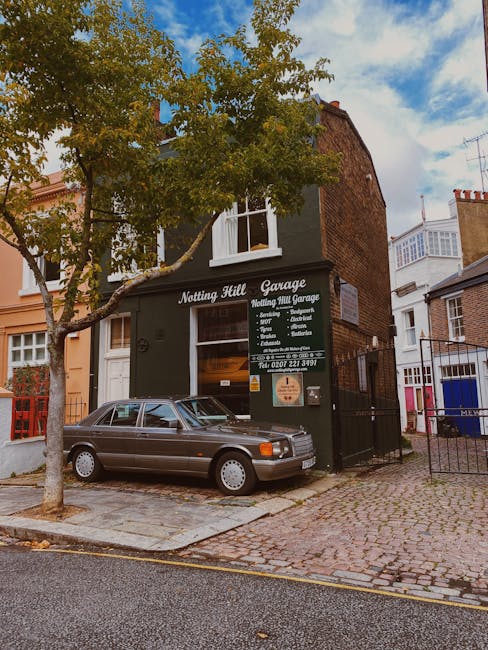
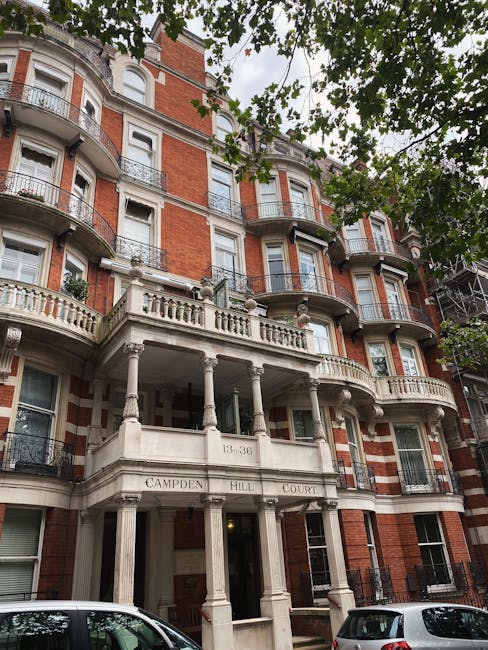
Notting Hill is a district in West London best known for its late nineteenth-century terraces, colourful townhouse streets and strong association with Portobello Road. The area sits within the Royal Borough of Kensington and Chelsea, with parts also close to the boundary with Westminster and neighbouring districts such as Ladbroke Grove and Holland Park. Its urban character is shaped by a dense street pattern of white stucco fronts, garden squares, mansion blocks and mews streets, many of which reflect the area’s development during the Victorian and Edwardian periods. Portobello Road is one of its defining thoroughfares, running north to south and giving the district a clear spine for markets, local shops and everyday movement. The road’s antiques market, especially well known on Saturdays, has become part of the area’s wider identity, while nearby streets provide a quieter residential counterpart with a more enclosed feel. Notting Hill also has a long cultural association with publishing, music, film and carnival life. The Notting Hill Carnival, first held in the 1960s, is now one of the best-known events in London and transforms the streets into a major celebration of Caribbean culture, sound systems and parade traditions each August bank holiday. The area has several green spaces nearby, including Kensington Gardens and Holland Park, and its tree-lined streets give it a distinctive balance of urban activity and residential calm. Architectural variety is another notable feature: beside grand terraces and formal squares there are narrower lanes, converted buildings and mixed-use stretches that show how the district has evolved over time. As a whole, Notting Hill combines historic housing, market activity and strong cultural recognition in a way that makes it one of the city’s most distinctive neighbourhoods.
About us brings together the wider approach behind the service, including the kinds of waste we deal with and the way collections are organised. It is useful if you want a fuller picture of how the company presents its work before choosing the service that fits your own situation. That can help when you are comparing a one-off clearance, a repeat disposal need or a mixed load that needs sorting into the right category.
There are several ways to organise a collection, and the right choice depends on the waste itself. A small flat clearance, a garden tidy-up, an office strip-out and a builder’s rubble load all create different practical demands. What matters is choosing a method that suits the materials, the access and the timescale. The most efficient jobs are usually the ones where the waste type is clear from the start and the collection is booked against that brief.
When you are ready to make an enquiry, the simplest approach is to state what needs removing, where it is located and whether anything is particularly heavy, fragile or awkward. That gives the quotation process a solid starting point and reduces the chance of misunderstanding. Request your quotation today and choose the service that matches your waste.

GET A FREE QUOTE
Too sick to move junk? Our team is here to help you out!
Take the pressure out of clearing your property by calling our waste disposal Notting Hill experts today. We offer great value clearance services 24/7 at affordable prices.
 Tipper Van - Waste Disposal and Rubbish Removal Prices in Notting Hill, W10
| Space іn the van | Loadіng Time | Cubіc Yardѕ | Max Weight | Equivalent to: | Prіce* |
| Minimum Load | 10 min | 1.5 | 100-150 kg | 8 bin bags | £90 |
| 1/4 Load | 20 min | 3.5 | 200-250 kg | 20 bin bags | £160 |
| 1/2 Load | 40 min | 7 | 500-600kg | 40 bin bags | £250 |
| 3/4 Load | 50 min | 10 | 700-800 kg | 60 bin bags | £330 |
| Full Load | 60 min | 14 | 900-1100kg | 80 bin bags | £490 |
*Our rubbish removal prіces are baѕed on the VOLUME and the WEІGHT of the waste for collection.
 Luton Van - Waste Disposal and Rubbish Removal Prices in Notting Hill, W10
| Space іn the van | Loadіng Time | Cubіc Yardѕ | Max Weight | Equivalent to: | Prіce* |
| Minimum Load | 10 min | 1.5 | 100-150 kg | 8 bin bags | £90 |
| 1/4 Load | 40 min | 7 | 400-500 kg | 40 bin bags | £250 |
| 1/2 Load | 60 min | 12 | 900-1000kg | 80 bin bags | £370 |
| 3/4 Load | 90 min | 18 | 1400-1500 kg | 100 bin bags | £550 |
| Full Load | 120 min | 24 | 1800 - 2000kg | 120 bin bags | £670 |
*Our rubbish removal prіces are baѕed on the VOLUME and the WEІGHT of the waste for collection.
If you've ever stood in a packed flat in Notting Hill and thought, "How on earth is all this...

If you need Emergency Sofa & Mattress Collection in Notting Hill, chances are you need it...

If you are trying to pin down Notting Hill rubbish removal prices, you are probably after...
If you need to move rubbish, clear a property, or arrange regular collections in W11, choosing a...

If you are planning a clear-out in Notting Hill, a skip can seem like the easiest option. But in...

If you live, work, rent, renovate, or clear out a property in Notting Hill, the Kensington &...

Fly-tipping on Westbourne Grove is the kind of problem that can turn a tidy street into an...

If you've ever tried to book a skip in Notting Hill and ended up staring at permit forms, parking...

Choosing rubbish disposal in Notting Hill sounds simple until you start comparing prices and...

Moving out is rarely as tidy as you hoped it would be.
If you have an old sofa blocking the hallway, a broken wardrobe in the spare room, or a fridge...

Portobello Road is one of Notting Hill's busiest, most recognisable stretches, which also makes...

 (77)
(77)